
Scroll through any feed right now and you’ll feel it. The posts look right. The lighting is clean, the copy is smooth, the structure hits every best-practice checkbox. And yet nothing stops you. Everything sounds like everything else because so much of it was built the same way, by the same tools, drawing from the same pool of patterns. Understanding why storytelling matters starts here, in the gap between content that exists and content that actually lands.
The Sameness Problem Is Getting Louder
When anyone can generate a polished video script or a branded carousel in minutes, polish stops being a differentiator. What audiences notice instead is whether the story could only come from you. A real story is specific. It’s a person, a decision, a detail that only someone close to the work would know. That kind of specificity is hard to fake, and it’s the thing people trust when everything else blurs together.
The data backs this up. A Quad and Harris Poll study of 2,004 U.S. adults, reported by Forbes in October 2026, found that 75 percent say much of what brands show them already looks overly polished or artificial. Eighty percent said brands that feel human and imperfect stick with them more than brands focused on AI-generated perfection. And 81 percent said they trust a brand more when it’s clear about what is and isn’t AI-generated. These are stated attitudes, not buying behavior, but the direction is hard to ignore. Separately, Inc. reported in October 2026 that Gartner found 65 percent of U.S. consumers believe brands are producing too much AI-generated marketing.
Why Storytelling Matters: Three Moves That Separate Real From Generated
We’ve spent fifteen years telling stories for the companies we work with. Over that time, we’ve watched formats change, platforms rise and fall, and production tools get faster. The thing that hasn’t changed is where the best material comes from. It comes from people inside the organization who’ve made real decisions, solved real problems, and can talk about the work with detail that no prompt can replicate. Here are three practical moves we come back to again and again.
- Start with a person, not a topic. Most content calendars begin with a subject (“our culture,” “our process,” “our product”). Flip that. Find the person who lived the moment, and let the topic emerge from their experience.
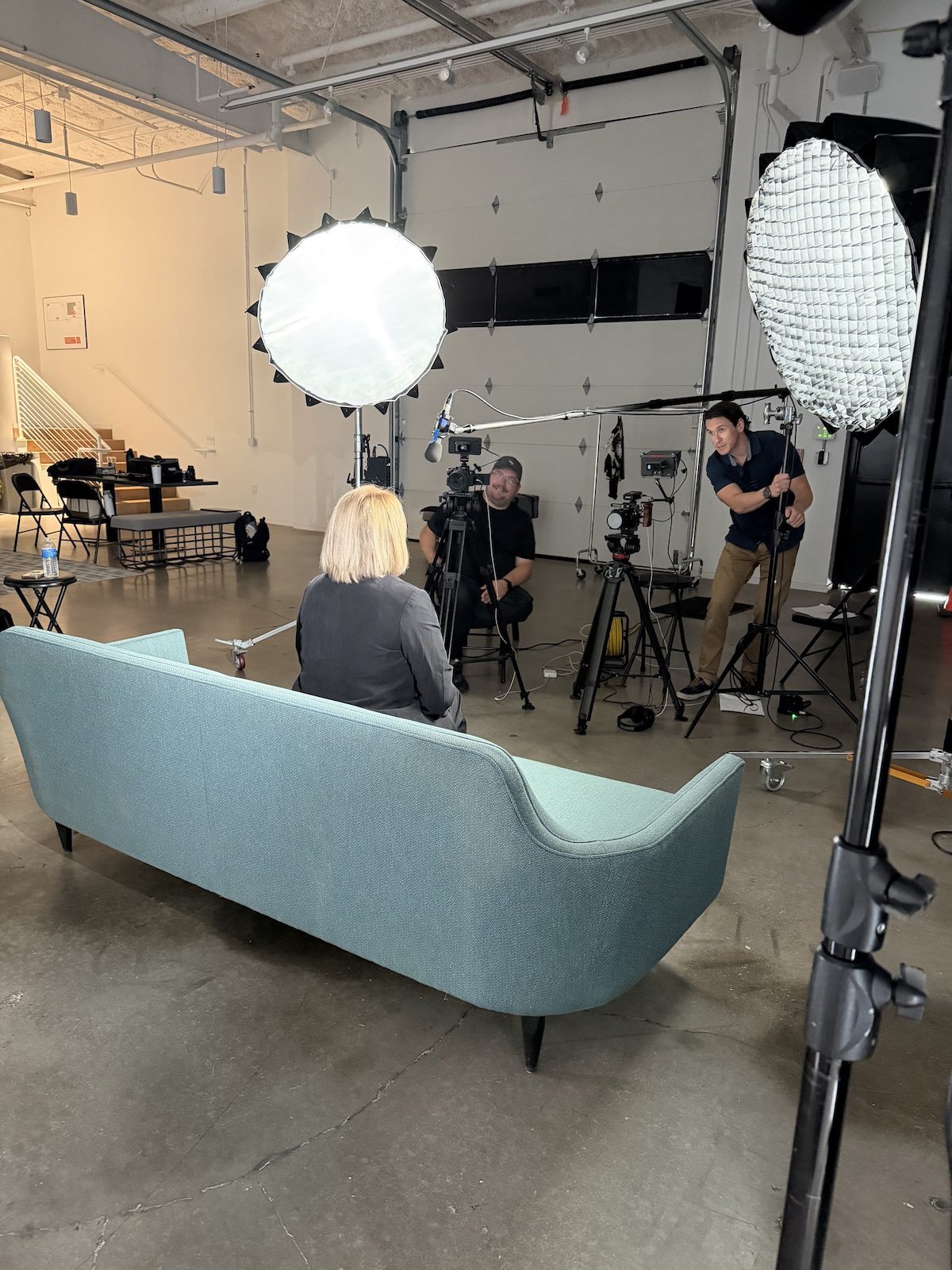
- Keep the craft high so real people are produced well. Authenticity doesn’t mean low effort. When you put a real person on camera, the lighting, the sound, the editing, and the pacing all need to serve that person’s story. Sloppy production doesn’t read as “real.” It reads as careless. The goal is to make the human moment feel as important as it actually is.
- Be plain about where AI fits. AI is a tool we use in our own work, and we don’t pretend otherwise. But we’re deliberate about where it shows up. It can help with research, with drafts, with organizing information. It shouldn’t replace the voice of the person whose story you’re telling. When audiences can sense that a piece was assembled rather than lived, the trust you’re trying to build works against you.
Where the Stories Actually Live Inside Your Company
The most common thing we hear from partners is that they don’t think they have stories worth telling. They almost always do. The stories just aren’t sitting in the marketing department. They’re in the field, on the production floor, in the conversation a founder had with a first employee ten years ago. They’re in the moment a team decided to walk away from a deal because it didn’t fit. Every company has a handful of decisions, people, and turning points that shaped who they are. Those are the stories.
Getting to those stories takes preparation. Before we ever pick up a camera, we work through a set of questions designed to surface the real material. Things like who in the organization has the most context, what moment changed the direction of the work, and what would be lost if this story went untold. If you’re curious about what that preparation looks like, we’ve written about the pre-production questions we ask before every video project. That process is where the difference between generic content and a real story gets made.
The Advantage Belongs to Companies Willing to Be Specific
The volume of content isn’t going to slow down. AI tools will keep getting better at producing things that look and sound professional. That means the bar for standing out isn’t production quality alone. It’s specificity, honesty, and the willingness to put real people and real decisions at the center of what you share. That’s why storytelling matters more now than it did a few years ago. Companies that do this are building something their competitors can’t copy with a prompt. If you’ve been thinking about what your company’s story actually is, start with one person and one moment. That’s enough to begin.